
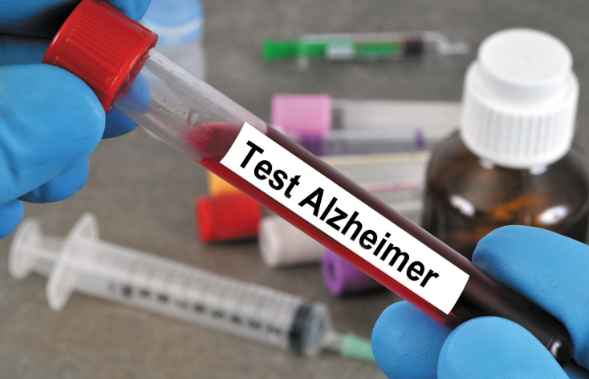
Understanding The Direct-to-Consumer Alzheimer’s Blood Test
What Is A Direct-to-Consumer Alzheimer’s Blood Test?
So, what exactly is this direct-to-consumer Alzheimer’s blood test we’re hearing about? Think of it as a new way to get a peek into certain biological markers in your blood that are linked to Alzheimer’s disease. It’s often referred to as the ALZ Blood Test, and it’s designed to be more accessible than some of the older methods. Instead of needing a doctor’s visit just to get the test ordered, you can often initiate the process yourself. This doesn’t mean it’s a DIY diagnosis, though. The results are meant to give you and your healthcare provider more information to discuss.
The Alzheimer’s Blood Science Behind Early Alzheimer’s Detection
The science behind these tests is pretty interesting. Alzheimer’s disease starts changing the brain long before noticeable symptoms show up, sometimes decades earlier. These blood tests look for specific substances, called biomarkers, that are associated with these early changes. One key biomarker often measured is p-Tau217. Elevated levels of p-Tau217 in the blood can suggest that the changes in the brain related to Alzheimer’s might be happening. It’s like finding an early warning sign. The goal is to detect these changes when they are just beginning, which could make a difference in how things are managed down the road.
Alzheimer’s Blood Why Early Insight Matters
Getting an early look at potential brain health indicators is a big deal. For a long time, definitive answers about Alzheimer’s often came much later, sometimes after significant memory loss had already occurred. This meant fewer options for intervention or planning. Knowing earlier, even if the news isn’t what you hoped for, can provide clarity and a sense of direction. It allows individuals and their families to have important conversations, make plans for the future, and explore available support. It shifts the focus from reacting to symptoms to proactively understanding and addressing potential concerns.
Here’s a quick look at why early insight is beneficial:
- Informed Decision-Making: Early information helps individuals and families make better choices about future care, finances, and lifestyle adjustments.
- Proactive Health Management: It can encourage a focus on brain-healthy habits and regular check-ins with healthcare providers.
- Reduced Uncertainty: For those worried about memory changes, a test can offer concrete information, reducing anxiety and speculation.
The development of blood tests for Alzheimer’s biomarkers represents a significant step forward in making brain health assessments more accessible. While these tests provide valuable insights, they are intended to be part of a larger conversation with a healthcare professional, not a replacement for a full medical evaluation.
How The Direct-to-Consumer Alzheimer’s Blood Test Works
So, you’re curious about this new Alzheimer’s diagnostic blood test and how it actually works? It’s actually pretty straightforward, which is part of why it’s gaining traction. Think of it as a simple way to get some early insight into what might be happening in your brain.
The Alzheimer’s Blood Simple Steps to Getting Tested
Getting the test is designed to be easy. Here’s a general idea of what you can expect:
- Initial Assessment: You might start with a quick self-assessment of your cognitive abilities. This isn’t a diagnosis, but it helps establish a baseline and understand your current thinking patterns.
- Ordering the Test: You’ll order the test, usually online. Then, you’ll decide where to get your blood drawn. Some services offer at-home kits, while others direct you to a local lab or clinic.
- The Blood Draw: This is just like any other blood test. You’ll have a small amount of blood taken, usually from your arm. No special preparation like fasting is typically needed.
- Receiving Results: After the lab processes your sample, you’ll get your results. These are usually presented in a way that’s easy to understand, often with guidance on what they might mean and what your next steps could be.
Alzheimer’s Blood What Biomarkers Are Measured?
This isn’t just any blood test; it looks for specific markers linked to Alzheimer’s disease. The main player here is often p-Tau217. This is a form of tau protein found in the blood. Elevated levels of p-Tau217 can suggest that certain changes associated with Alzheimer’s disease, like amyloid plaques and tau tangles in the brain, might be present. It’s important to remember that this test measures biomarkers, not the disease itself. Think of it as a clue, not the whole story.
Alzheimer’s Blood Understanding Your Test Results
Getting your results can bring a mix of emotions, but understanding them is key. Generally, results fall into a few categories:
- Negative or Lower Likelihood: This suggests a lower chance of the specific Alzheimer’s-related pathology the test looks for. It’s often good news, but maintaining a healthy lifestyle is always recommended.
- Intermediate or Consider Further Evaluation: This result doesn’t give a clear yes or no. It means that more investigation might be helpful, especially when considered alongside your personal health history and any symptoms you might be experiencing.
- Positive or Consistent with Pathology: An elevated result indicates the presence of biomarkers consistent with Alzheimer’s pathology. This does not mean you have been diagnosed with Alzheimer’s disease. It strongly suggests that a follow-up with a healthcare professional for a more complete evaluation is the right next step.
It’s really important to see these results as a starting point for a conversation with your doctor. They have the full picture of your health and can help you make sense of what the biomarker information means specifically for you. This test is a tool to aid in that discussion, not a final answer on its own.
Who Benefits From A Direct-to-Consumer Alzheimer’s Blood Test
Individuals Seeking Clarity on Brain Health
Lots of people are starting to think more about their brain health, and that’s a good thing. If you’ve been noticing little changes in your memory or thinking, or maybe you just have a general feeling that something’s not quite right, this kind of test can offer some answers. It’s not about getting a definitive diagnosis right away, but rather getting a clearer picture of what might be going on in your brain. Knowing earlier can really help you and your doctor figure out the best path forward, whether that means lifestyle changes, further tests, or just peace of mind.
Support for Families and Caregivers
When someone in the family is experiencing cognitive changes, it affects everyone. For family members and caregivers, having concrete information can make a huge difference. It helps in having more open and honest conversations about what’s happening and what the future might hold. This test can provide a starting point for those discussions, helping families plan together and understand how to best support their loved one. It’s about bringing everyone onto the same page with reliable information.
Empowering Healthcare Providers
Doctors and other healthcare professionals are always looking for better tools to help their patients. A direct-to-consumer Alzheimer’s blood test can be a valuable addition to their toolkit. It offers a way to get early insights into potential Alzheimer’s-related biomarkers, which can then be used alongside a patient’s medical history and other clinical evaluations. This can help them make more informed decisions about next steps, like recommending further specialized testing or discussing management strategies with their patients sooner rather than later.
Navigating Next Steps After Testing
So, you’ve gotten your direct-to-consumer Alzheimer’s blood test results back. What now? It’s totally normal to feel a mix of emotions, whether you were expecting a certain outcome or not. The important thing is to remember that this test is a piece of information, not a final answer. It’s designed to give you and your doctor a clearer picture, helping you figure out the best path forward.
Interpreting A Negative Result
Getting a “negative” result, or one that indicates a lower likelihood of Alzheimer’s pathology, is generally good news. It means the biomarkers measured in your blood don’t show the typical signs associated with Alzheimer’s disease at this time. This doesn’t mean you’re completely in the clear forever, of course, as our bodies change. But for now, it’s a reason to feel more at ease. The best approach here is to keep up with those healthy habits you’ve been working on – things like eating well, staying active, and keeping your mind engaged. It’s also a good idea to revisit testing down the line, perhaps in a few years, just to keep an eye on things and maintain peace of mind.
Understanding Elevated Indicators
If your results show elevated indicators, it’s important not to jump to conclusions. This does not mean you have Alzheimer’s disease. Think of it more like a flag being raised, suggesting that further investigation is a good idea. These elevated markers can be linked to changes in the brain that are associated with Alzheimer’s, but they can also be present for other reasons. It’s a signal to have a more in-depth conversation with your healthcare provider. They can look at these results alongside your personal health history, any symptoms you might be experiencing, and other clinical information to get a fuller understanding of what’s going on.
Consulting With Your Healthcare Team
This is where your doctor or a qualified healthcare professional really comes into play. They are the ones who can properly interpret these biomarker results within the context of your overall health. They might suggest:
- Additional Testing: This could involve other types of tests, like cognitive assessments, imaging scans (like PET scans or MRIs), or even other blood tests, to gather more information.
- Lifestyle Adjustments: Based on your results and overall health profile, they might recommend specific changes to your diet, exercise routine, sleep habits, or stress management techniques.
- Medication Review: In some cases, they might discuss potential medications, either to manage symptoms if they are present or as part of a broader health plan.
- Referral to a Specialist: Depending on the findings, you might be referred to a neurologist or a specialist in memory disorders for further evaluation.
It’s really about using this test as a starting point for a more informed discussion about your brain health and future planning. Remember, knowledge is power, and this test is a tool to help you gain that knowledge.
The Value Of Accessible Alzheimer’s Biomarker Screening
Reducing Barriers to Early Assessment
For a long time, getting a clear picture of what might be happening with brain health, especially concerning Alzheimer’s, involved a lot of steps. Think complex appointments, maybe even invasive procedures like spinal taps, or expensive imaging scans. This made early assessment tough for a lot of people. Direct-to-consumer blood tests change that. They offer a much simpler way to get started. You can often get tested without a doctor’s referral, and it’s just a standard blood draw. This makes it easier for more people to find out about potential changes happening in their brain much earlier than before.
Supporting Informed Decision-Making
Knowing something sooner rather than later can make a big difference. It’s not about getting a definitive diagnosis from a single test, but about getting early insight. This insight can help you and your family have more productive conversations with healthcare providers. It gives you a starting point to discuss concerns, explore options, and plan for the future. This proactive approach can lead to better outcomes and a greater sense of control over your health journey.
Integrating Biomarker Insight into Care
These new blood tests are designed to work alongside your doctor. They aren’t meant to replace a full medical evaluation, but rather to add another piece of information. Doctors can use the results from these biomarker tests, like the one measuring p-Tau217, to get a clearer picture of what might be going on. This can help them decide on the next steps, whether that’s more specific testing, lifestyle adjustments, or other interventions. It’s about making healthcare more personalized and responsive to individual needs.
Here’s a look at how the process can simplify things:
- Simpler Access: Often requires just a simple blood draw, sometimes even at home or a local lab, reducing the need for multiple specialist visits initially.
- Earlier Information: Provides biomarker data that can indicate changes associated with Alzheimer’s, potentially years before significant symptoms appear.
- Facilitates Discussion: Gives individuals and families concrete data to discuss with healthcare professionals, leading to more focused conversations and care planning.
The goal is to make understanding brain health more straightforward. By lowering the hurdles to getting tested, more people can gain early insights. This knowledge is key for making informed choices about health and well-being, both now and in the future.
Key Considerations For Direct-to-Consumer Testing
So, you’re thinking about taking one of these direct-to-consumer Alzheimer’s blood tests. That’s great that you’re looking into your brain health! But before you jump in, there are a few things to keep in mind. It’s not quite as simple as just getting a blood draw and getting a definitive answer.
Test Limitations and Clinical Context
First off, it’s really important to understand that these tests aren’t a crystal ball. They look for specific biomarkers, like p-Tau217, which are linked to changes in the brain that can happen with Alzheimer’s. Think of it like this: finding these biomarkers is a clue, not a final verdict. The test itself doesn’t diagnose Alzheimer’s disease. It’s a tool that can give you and your doctor more information to consider.
- Biomarkers are indicators, not diagnoses: Elevated levels suggest further investigation is needed.
- Not a substitute for medical advice: Always discuss results with a healthcare professional.
- Performance varies: While tests show high accuracy in studies, real-world performance can differ.
These tests are designed to be part of a bigger picture. They’re meant to work alongside what your doctor already knows about your health, like your symptoms and medical history. Relying on just the test result without that context could lead to confusion or unnecessary worry.
The Role of Healthcare Professionals
This brings us to the next big point: your doctor. While you can order these tests yourself, they really shine when a healthcare provider is involved. They can help you understand what the results mean in the context of your personal health. They’re the ones who can order follow-up tests if needed, discuss lifestyle changes, or talk about potential treatments. Trying to figure it all out on your own can be overwhelming, and frankly, not the best way to use this kind of information.
- Interpretation is key: Doctors can help make sense of complex results.
- Next steps planning: They guide further testing and management strategies.
- Holistic care: They consider your overall health, not just one test.
Responsible Use of Biomarker Information
Finally, let’s talk about using this information wisely. Knowing about potential biomarkers early is powerful, but it needs to be handled with care. It’s about being proactive, not panicked. The goal is to get insight so you can make informed decisions about your future health and well-being, and that of your loved ones. If you get a result that suggests a higher likelihood of Alzheimer’s-related changes, it’s a signal to have a conversation with your doctor and explore what steps you can take. If the results are negative, it’s still a good time to focus on brain-healthy habits and regular check-ups.
- Focus on action: Use results to inform proactive health choices.
- Emotional preparedness: Be ready for a range of possible outcomes.
- Continuous learning: Stay informed about advancements in Alzheimer’s research.
Frequently Asked Questions
What exactly is a direct-to-consumer Alzheimer’s blood test?
Think of it as a way to get some early information about your brain health without needing a doctor’s visit first. This type of test looks for certain markers in your blood that are linked to Alzheimer’s disease. It’s a simple blood draw that can give you and your doctor a clearer picture sooner.
How does this blood test help detect Alzheimer’s early?
The test checks for specific substances, like a protein called p-Tau217, in your blood. When these substances are found at certain levels, it can suggest that changes related to Alzheimer’s might be happening in the brain. These changes can start years before any memory problems show up, so finding them early is key.
Why is it important to know about Alzheimer’s risk early?
Knowing early gives you and your family more time to plan. It means you can talk with your doctor about your options, make lifestyle changes that might help, and prepare for the future. It’s about taking control and making informed choices rather than being caught off guard.
Do I need to do anything special before taking the test?
Usually, no! You don’t need to fast or do anything out of the ordinary before giving your blood. It’s a straightforward process, making it easier to get the information you need.
If the test results show higher levels of these markers, does it mean I definitely have Alzheimer’s?
Not necessarily. An ‘elevated’ result means that certain markers are present at levels that suggest further investigation is a good idea. It’s a signal to talk with your healthcare provider for a more complete evaluation, which might include other tests.
What are the next steps after getting my test results?
If your results are normal, you can continue with healthy habits and perhaps re-test later for peace of mind. If results show elevated markers, the most important next step is to discuss them with your doctor. They can help you understand what the results mean in the context of your overall health and guide you on what to do next.
Visit More : magazineness.co.uk
