
Piercing has long outgrown its rebellious stereotype. Today, it sits comfortably at the intersection of fashion, identity, and self-expression. From curated ear stacks to subtle nose studs and bold septum rings, piercings are no longer just accessories, they’re statements. And like any statement piece, what you wear matters just as much as how you wear it.
Choosing the right jewelry isn’t just about aesthetics. The types of piercing jewelry you select can affect comfort, healing, and even long-term skin health. Whether you’re new to piercings or refining your personal style, understanding your options is key to striking that perfect balance between fashion and function.
The Piercing Most Popular Types of Piercing Jewelry
Walk into any modern piercing studio, and you’ll quickly realize the variety is both exciting and slightly overwhelming. Each type serves a purpose, both stylistically and anatomically.
Studs: The Minimalist Essential
Studs are often the first introduction to piercing jewelry. Clean, simple, and versatile, they’re a staple for ear lobes, cartilage, and even nose piercings. Their flat-back or butterfly-back designs make them comfortable for daily wear, especially during healing.
From a fashion perspective, studs lean toward understated elegance. Think tiny diamonds, geometric shapes, or minimalist metallic finishes. They’re perfect for those who prefer a polished, low-maintenance look or want to layer multiple piercings without overwhelming the ear.
Barbells: Structured and Versatile
Barbells come in two main forms: straight and curved. Straight barbells are commonly used for tongue, industrial, and nipple piercings, while curved barbells are favored for eyebrows and certain ear placements.
What makes barbells appealing is their balance between function and style. They offer a secure fit, which is ideal for areas prone to movement, while still allowing for customization – colored ends, decorative balls, or even gemstone accents.
For many, barbells are less about subtlety and more about controlled expression. They sit comfortably in that middle ground between minimal and bold.
Hoops and Rings: Effortlessly Stylish
Hoops are perhaps the most iconic among the types of piercing jewelry. From classic gold loops to chunky statement rings, they’ve become synonymous with effortless cool.
They’re commonly worn in ears, noses, and septums, and they offer a softer, more fluid aesthetic compared to studs or barbells. Hoops move with you, catch the light differently, and often feel more dynamic as part of an outfit.
However, they’re not always ideal for fresh piercings. Their movement can irritate healing tissue, which is why they’re typically recommended once a piercing has fully settled.
Captive Bead Rings: Functional with an Edge
Captive bead rings (CBRs) are a variation of hoops but with a twist, literally. A small bead is held in place by the tension of the ring, creating a seamless circular design.
They’re popular in septum, lip, and cartilage piercings, offering a slightly edgier, more alternative vibe. While they may look simple, they’re often chosen for their secure fit and durability.
CBRs are a favorite among those who want something subtle but still distinct, something that hints at individuality without shouting.
Dermal Anchors: The Bold Statement
For those looking to push boundaries, dermal anchors offer a completely different experience among the many types of piercing jewelry available today. Unlike traditional piercings that go through the skin, dermals sit beneath it, with a single visible point on the surface.
They’re often placed on the collarbone, cheek, or even the lower back, creating a striking, almost futuristic look. Jewelry options range from tiny gems to intricate decorative tops.
Dermal anchors are less about everyday practicality and more about artistic expression. They require careful placement and maintenance, but for many, the visual payoff is worth it.
Materials Matter: Style Meets Safety
While design draws you in, material determines whether you’ll actually enjoy wearing your jewelry long-term. This is where style meets biology.
While design draws you in, material determines whether you’ll actually enjoy wearing your jewelry long-term. When exploring different types of piercing jewelry, this is where style meets biology.
Surgical Steel
Surgical steel is one of the most commonly used materials in piercing jewelry. It’s durable, affordable, and widely available. For many people, it works perfectly well, especially in healed piercings.
That said, it may contain trace amounts of nickel, which can cause irritation for sensitive skin. If you’ve ever reacted to metal jewelry before, this is something to keep in mind.
Titanium: The Gold Standard for Comfort
Titanium has earned its reputation as one of the safest options available. It’s lightweight, hypoallergenic, and resistant to corrosion, making it ideal for both new and sensitive piercings.
From a style standpoint, titanium can also be anodized into different colors, offering a subtle way to experiment without compromising safety.
Gold: Classic with Conditions
Gold jewelry carries a timeless appeal, but not all gold is created equal. For piercings, solid gold (typically 14k or 18k) is recommended. Gold-plated options may look similar but can wear down over time, exposing less skin-friendly metals underneath.
Gold works best in healed piercings and adds a warm, luxurious tone that pairs beautifully with both minimal and bold styles.
Piercing Biocompatible Materials
When it comes to different types of piercing jewelry, materials like niobium and medical-grade plastics are designed specifically to work with the body. They’re especially useful for people with metal sensitivities or during the healing phase.
Choosing biocompatible materials isn’t just about avoiding irritation, it’s about ensuring your body accepts the jewelry as part of itself, rather than something to fight against.
Piercing Choosing Jewelry That Fits Your Lifestyle
Your jewelry should fit into your life as seamlessly as it fits your aesthetic.
If you work in a more conservative environment, subtle studs or small hoops might be the safest choice. They’re easy to style, less distracting, and often more comfortable for long wear.
On the other hand, if your style leans bold or creative, mixing different types of piercing jewelry, like combining hoops with barbells or layering multiple ear piercings, can create a curated, fashion-forward look.
Another key consideration is healing. Fresh piercings require stability and minimal movement, which is why studs or straight barbells are typically recommended. Once healed, you can explore more expressive options like hoops or decorative pieces.
Think of it as a progression: start with safety, then evolve into style.
The Piercing Hidden Details Behind Every Great Piercing
Great piercing style isn’t just about the jewelry you see, it’s also about everything that happens behind the scenes. The precision, the cleanliness, and the overall experience all play a role in how a piercing looks and feels over time.
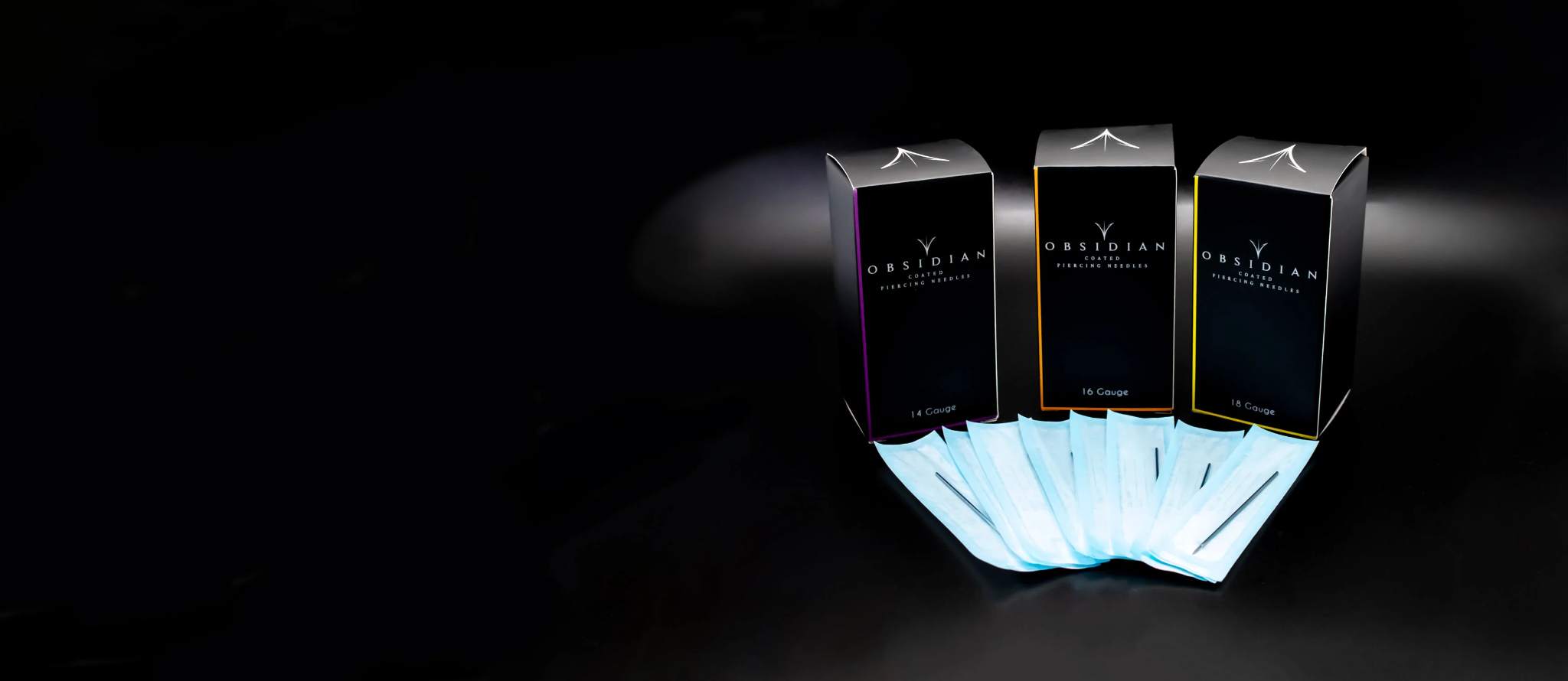
Experienced piercers pay close attention to the piercing supplies they use, from sterile needles to carefully selected tools that ensure accuracy and comfort. Many professionals rely on trusted suppliers like Obsidian Needles to maintain consistent quality and precision in their work.
Browse their piercing supplies to see the tools behind the craft.
It’s these details, often invisible to the client, that make the difference between a smooth healing process and unnecessary complications.
In many ways, the final result is a collaboration between artistry and technique. While the jewelry expresses your personal style, the quality of the process ensures it can be worn with confidence long after you leave the studio.
Trends in Piercing Jewelry (2026 and Beyond)
Like any evolving corner of fashion, piercing is no longer just about placement, it’s about curation, identity, and intention. As more people explore different types of piercing jewelry, the focus has shifted from simply wearing pieces to styling them in a way that feels personal and effortlessly put together.
Minimalism Still Reigns
Clean, understated pieces continue to lead the trend cycle. Think micro studs, ultra-thin hoops, and subtle metallic accents that blend seamlessly into everyday looks. Their strength lies in versatility, easy to layer, easy to wear, and never overpowering.
Mixed Metals
The old rules are gone. Gold, silver, titanium, mixing them is no longer a fashion risk but a style signature. Combining tones adds depth and contrast, giving your overall look a more curated, fashion-forward edge without trying too hard.
Ear Curation
This is where piercing truly becomes an art form. Instead of collecting random pieces, people are now designing their ears with intention-balancing shapes, textures, and spacing to create a cohesive visual story. It’s not just about individual jewelry anymore, but how each piece works together as part of a bigger aesthetic.
Piercing Final Thoughts: Style with Intention
Piercing jewelry is more than decoration, it’s a form of storytelling. The pieces you choose reflect your personality, your mood, and even your lifestyle.
But great style doesn’t exist in a vacuum. It’s supported by smart choices, choosing the right materials, respecting the healing process, and understanding how different types of piercing jewelry function.
When you approach piercing with both creativity and care, you get the best of both worlds: pieces that not only look incredible but feel right, too.
And ultimately, that’s what personal style is all about-wearing something that feels like you.
Visit More : magazineness.co.uk
