
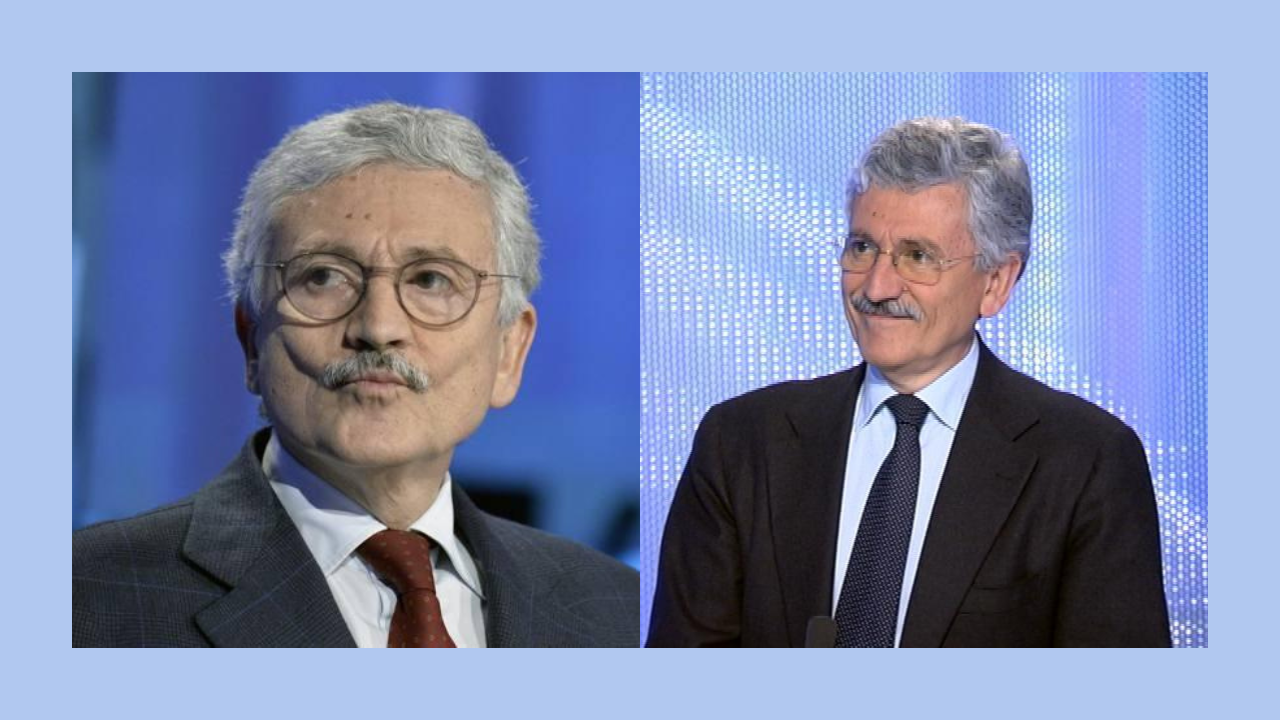
Massimo D’Alema is one of the most influential and enduring figures in modern Italian politics. Known for his intellectual depth, strategic thinking, and long-standing involvement in left-wing political movements, he has played a key role in shaping Italy’s political landscape for decades. From his early days in the Italian Communist Party to becoming the Prime Minister of Italy, D’Alema’s journey is both complex and remarkable. Alongside his political influence, many people are curious about Massimo D’Alema net worth and how his long career has contributed to his financial standing. This article provides a comprehensive look at his life, career, income sources, and overall wealth.
Massimo D’Alema Early Life and Background
Massimo D’Alema was born on April 20, 1949, in Rome, Italy, into a politically active family. His father, Giuseppe D’Alema, was a prominent figure in the Italian resistance and a committed communist, which significantly influenced Massimo’s ideological development from a young age. Growing up in such an environment, he was exposed early to political discussions and activism.
He pursued his education in philosophy at the University of Pisa, a field that helped shape his analytical thinking and ideological grounding. Even during his student years, D’Alema was deeply engaged in political activities, joining the Italian Communist Party at a young age and becoming active in student movements during the late 1960s.
Massimo D’Alema Entry into Politics
D’Alema’s political journey began formally when he joined the Italian Communist Party (PCI) as a teenager. His early involvement in the party’s youth wing, the Italian Communist Youth Federation, marked the beginning of a long and steady rise through the ranks. By the 1970s, he had already established himself as a key figure within the organization, eventually serving as its national secretary.
His career continued to progress as he became part of the central committee and later the leadership of the PCI. During this time, he gained a reputation as a thoughtful strategist and an effective organizer. His early political work laid the foundation for his later leadership roles and national prominence.
Massimo D’Alema Rise to National Prominence
Massimo D’Alema’s rise to national prominence accelerated during the 1990s, a transformative period for Italian politics. He played a crucial role in the transition of the Italian Communist Party into the Democratic Party of the Left (PDS), reflecting broader ideological changes in Europe after the Cold War.
In 1994, he became the leader of the PDS, solidifying his position as a central figure in Italy’s center-left political landscape. His leadership skills and ability to navigate complex political alliances helped him build strong coalitions, eventually leading to his appointment as Prime Minister in 1998.
Massimo D’Alema Prime Minister of Italy
In 1998, D’Alema made history by becoming the first former member of the Communist Party to serve as Prime Minister of a NATO country. His tenure lasted until 2000 and was marked by significant political and international developments.
During his time in office, Italy participated in NATO’s intervention in the Kosovo War, a decision that highlighted his pragmatic approach to governance and international relations. His government also focused on institutional reforms and coalition management, although it faced challenges due to internal political divisions.
Despite these challenges, D’Alema’s leadership left a lasting impact on Italian politics, demonstrating his ability to operate effectively at both national and international levels.
Later Political Career
After his tenure as Prime Minister, D’Alema continued to play an influential role in Italian and European politics. He served as a Member of the European Parliament and later as Italy’s Minister of Foreign Affairs from 2006 to 2008.
He also held leadership roles within various political organizations, including the Democrats of the Left and later the Democratic Party. In 2017, he became one of the founders of a new political movement, reflecting his continued involvement in shaping Italy’s political discourse.
Even after stepping back from frontline politics, D’Alema remained active as a political commentator, advisor, and public intellectual, maintaining his influence within the broader political landscape.
Sources of Income
Understanding Massimo D’Alema net worth requires examining the various sources of income he has accumulated over the years. Unlike business magnates, his wealth primarily stems from his long career in public service and related professional activities.
Government Salaries
As a former Prime Minister, Minister of Foreign Affairs, and Member of Parliament, D’Alema earned substantial salaries throughout his political career. These positions provided him with a stable and significant source of income over several decades.
Journalism and Writing
Before and during his political career, D’Alema worked as a journalist and even served as editor of the newspaper L’Unità. He has also authored several books, contributing to his earnings and intellectual reputation.
Consultancy and Advisory Roles
After leaving high-level political office, D’Alema engaged in consultancy work, including advisory roles in economic and international sectors. These activities have likely added to his financial portfolio in recent years.
Academic and Public Speaking Engagements
In addition to consultancy, he has participated in academic and public speaking engagements, further diversifying his income streams.
Massimo D’Alema Net Worth
When it comes to Massimo D’Alema net worth, exact figures are not publicly disclosed, which is common for many European politicians. However, based on his decades-long career in high-ranking government positions, journalism, and consultancy, his net worth is generally considered to be moderate compared to wealthy business figures.
Unlike billionaires or major entrepreneurs, D’Alema’s wealth reflects a career rooted in public service rather than private enterprise. His financial standing is typically associated with steady income, professional engagements, and possible investments rather than large-scale commercial ventures.
It is also worth noting that European political systems often emphasize transparency and regulated income structures, which limits the accumulation of extreme personal wealth through political office alone.
Assets and Lifestyle
Massimo D’Alema is known for maintaining a relatively reserved and intellectual lifestyle. While he has been involved in various professional activities outside politics, he has not been associated with excessive luxury or extravagant spending.
Reports suggest that he has interests in real estate and other investments, which are common among individuals with long professional careers. However, his public image remains that of a thoughtful politician and intellectual rather than a wealthy elite figure.
Personal Life
D’Alema is married to Linda Giuva, an academic, and the couple has two children. His family life has largely remained private, reflecting his preference for maintaining a clear boundary between public and personal affairs.
Outside politics, he has shown interest in cultural and intellectual pursuits, including writing and academic discussions. His personality is often described as analytical and reserved, traits that have influenced both his political style and public perception.
Challenges and Controversies
Like many long-serving politicians, D’Alema’s career has not been without controversy. His decisions during his time as Prime Minister, particularly regarding international military involvement, attracted criticism from various political groups.
Additionally, internal conflicts within political parties and shifting alliances have occasionally affected his public image. Despite these challenges, he has managed to maintain a significant level of influence and respect within political circles.
Legacy and Influence
Massimo D’Alema’s legacy is deeply embedded in the evolution of Italy’s center-left politics. He played a key role in transforming traditional communist ideologies into modern social democratic frameworks, aligning Italy with broader European political trends.
His leadership during a period of political transition demonstrated his ability to adapt and guide complex coalitions. Even today, his opinions and analyses continue to carry weight in political discussions.
Conclusion
Massimo D’Alema’s life and career offer a compelling example of political dedication and intellectual leadership. From his early involvement in communist youth movements to becoming Prime Minister of Italy, his journey reflects both personal ambition and a commitment to public service.
While Massimo D’Alema net worth may not rival that of business tycoons, it represents the financial outcome of a long and distinguished career in politics, journalism, and consultancy. His influence extends far beyond monetary value, shaping Italy’s political direction and leaving a lasting mark on its history.
In the end, D’Alema’s true wealth lies not just in financial terms but in his enduring impact on Italian and European politics.
