
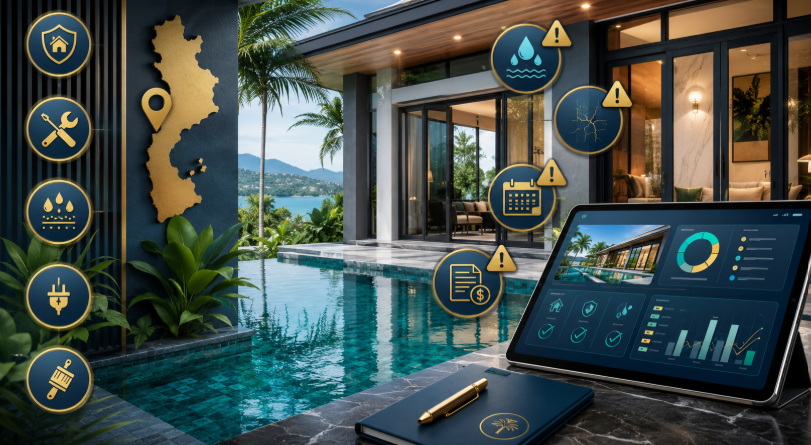
Overseas owners usually face problems because the property is in Phuket, but the decisions are made from another country. This creates delays, unclear responsibility, and weak control over repairs, rentals, guests, and money.
The biggest issue is not owning property in Phuket. The real issue is managing daily operations without a local system. A property can look perfect during purchase, but tropical weather, guest turnover, condo rules, and rental pressure can expose every weak point.
This is why many owners look for property management in Phuket when they realize the work is not only cleaning. It includes preventative maintenance, contractor control, booking management, utility payments, inspection reports, and owner communication.
Step 1: Identify where control is missing. Most overseas owners lose control in four places: property condition, guest handling, rental pricing, and financial reporting.
Step 2: Build a single management system. A strong Phuket property operation should connect inspections, maintenance, housekeeping, pricing, booking channels, guest support, and monthly statements.
Step 3: Keep proof of every action. Photo updates, invoices, booking summaries, repair notes, and dashboard reporting help owners see what is happening without relying on vague messages.
Overseas Property Remote Property Checks Fail Fast
A short monthly message is not enough when an owner lives overseas. Remote ownership needs proof-based checks because problems in Phuket can grow quickly when nobody inspects the property properly.
Many owners depend on cleaners, friends, or occasional contractors to “look after” the property. That usually fails because nobody is responsible for the full condition of the unit, villa, pool, garden, inventory, and rental readiness.
A cleaner may notice dust, but miss leaks behind cabinets, weak AC drainage, loose pool tiles, mold smell, pest movement, or damaged outdoor furniture. These are operational issues, not basic cleaning tasks.
Step 1: Set a fixed inspection schedule. Vacant properties need routine inspections, while rental properties need checks before arrival, after checkout, and after every repair.
Step 2: Use photo-based reporting. Owners should receive images of rooms, bathrooms, kitchen areas, balcony spaces, pool equipment, meter readings, and visible repairs.
Step 3: Record issues before approving work. A professional team should explain the problem, quote the repair, confirm urgency, and keep proof after completion.
Phuket Weather Creates Hidden Damage
Phuket’s tropical climate affects properties every month. Heat, humidity, heavy rain, salt air, and strong seasonal weather can damage interiors, equipment, roofs, gardens, pools, and metal fittings.
Overseas owners often underestimate humidity control. A closed villa or condo can develop mold odors, stained walls, swollen doors, damaged wardrobes, and musty linen before anyone notices from abroad.
Rainy season adds another layer of risk. Blocked drains, weak seals, roof leaks, balcony water pooling, and poor garden drainage can create expensive damage if inspections are delayed.
Step 1: Control humidity before it becomes visible. Bedrooms, closets, storage areas, and closed bathrooms should be checked for airflow, damp smell, and early mold signs.
Step 2: Service AC units regularly. Air conditioning is not only for comfort in Phuket. It also helps control indoor moisture and protects furniture, electronics, and guest experience.
Step 3: Prepare before heavy rain. Gutters, roof edges, balcony drains, outdoor tiles, pool overflow areas, and garden runoff should be checked before peak rainy months.
Overseas Property Condo Rules Catch Owners Late
Condo ownership can feel easier than villa ownership, but condominium rules create their own problems. Overseas owners must deal with juristic offices, CAM fees, sinking funds, rental restrictions, and shared building rules.
A Phuket condo is not managed only inside the private unit. The Condominium Juristic Person, juristic manager, committee, and building by-laws can affect rental use, guest access, renovation timing, parking, pets, and short-stay permissions.
Owners who ignore these rules often face problems after listing the unit, accepting guests, or approving upgrades. Good starts with understanding both the unit and the building.
Step 1: Check the building by-laws. Before renting or renovating, owners should confirm rules on minimum stay length, guest registration, access cards, quiet hours, signage, pets, and contractor entry.
Step 2: Track CAM and sinking fund payments. Missed fees can create penalties, blocked services, or conflict with building management.
Step 3: Coordinate with the juristic office. A local manager can handle notices, repair access, maintenance requests, owner meetings, and document submissions.
Short Rental Rules Create Risk
Short-term rental income attracts many overseas owners, but Phuket rental rules are not simple. The biggest risk appears when owners confuse platform use with legal rental permission.
Using Airbnb, Booking.com, or Agoda does not automatically make a rental legal or accepted by the building. The main issues are rental duration, hotel licensing, condo by-laws, guest registration, and local enforcement.
This is where Airbnb Property Management Phuket for Overseas Owners becomes important. The goal is not only more bookings. The goal is bookings that fit the property, building, guest type, and owner risk level.
Step 1: Confirm the allowed rental model. Villas, condos, branded residences, and managed developments can have different operating limits.
Step 2: Match the listing to the rules. If the building requires monthly stays, the listing, pricing, calendar, and guest communication should reflect that.
Step 3: Keep guest records organized. Arrival details, passport information where required, house rules, payment notes, and check-in records should be handled carefully.
Guest Turnover Damages Reviews
Guest turnover is one of the biggest problems for overseas rental owners. Every booking creates pressure on cleaning, linen, check-in, maintenance, communication, and review quality.
A guest does not care that the owner lives overseas. They expect fast answers, clean rooms, working AC, clear arrival instructions, stable internet, fresh towels, and immediate help if something goes wrong.
Poor guest handling leads to bad reviews, refund requests, platform complaints, and lower ranking. One weak turnover can damage months of rental performance.
Step 1: Build a strict pre-arrival process. Confirm arrival time, directions, access instructions, WiFi details, parking notes, house rules, and emergency contact details.
Step 2: Inspect after every checkout. Look for stains, broken items, missing inventory, blocked drains, appliance issues, and signs of misuse.
Step 3: Respond before complaints grow. Fast local support can turn small problems into positive guest experiences instead of negative reviews.
Weak Pricing Causes Empty Dates
Many overseas owners lose income because pricing is set once and left unchanged. Phuket demand changes by season, location, property type, events, weather, and booking window.
A villa in Bang Tao, a condo in Patong, and a long-stay unit in Rawai cannot use the same pricing logic. Weak pricing creates either empty dates or low-value bookings during peak demand.
Professional rental management uses dynamic pricing, occupancy tracking, ADR, RevPAR, competitor checks, and calendar control. These terms matter because they show whether the property is truly performing.
Step 1: Separate high season, shoulder season, and green season. Each period needs different rates, minimum stays, promotion rules, and booking targets.
Step 2: Monitor booking windows. Some guests book early for peak periods, while others book last minute during softer months.
Step 3: Avoid panic discounts. Discounting too early can damage income, while discounting too late can leave empty nights.
Poor Reporting Breaks Owner Trust
Overseas owners need visibility. When reporting is weak, owners cannot tell whether the property is performing, protected, or being managed responsibly.
Common reporting problems include unclear income statements, missing invoices, no maintenance photos, late payout updates, and unexplained deductions. This creates distrust even when the manager is doing some work.
Strong reporting should include monthly owner statements, booking summaries, expense records, maintenance updates, guest review notes, and photos from inspections.
Step 1: Require itemized statements. Owners should see rental income, platform fees, cleaning costs, repairs, utilities, management fees, and net payout clearly.
Step 2: Match expenses with proof. Every repair should have a reason, approval record, supplier invoice, and completion confirmation.
Step 3: Review performance monthly. Occupancy, average nightly rate, guest feedback, maintenance issues, and upcoming risks should be reviewed before the next month begins.
Unchecked Bills Reduce Profit
A Phuket property can lose money quietly through unpaid bills, utility waste, hidden fees, tax confusion, and poor supplier control. Overseas owners often discover these issues late.
Electricity, water, internet, pool care, garden work, AC servicing, juristic fees, pest control, laundry, and repairs all need tracking. Without control, small monthly costs reduce the real return.
The goal is not only collecting rent. The goal is protecting net income after expenses, repairs, fees, vacancies, and guest-related costs.
Step 1: Create a bill calendar. Utilities, CAM fees, internet, insurance, pool contracts, cleaning payments, and service renewals should have fixed due dates.
Step 2: Check supplier work. Paying for maintenance does not mean the work was done properly. Photos and inspection notes should confirm service quality.
Step 3: Keep rental income records clean. Owners should track gross income, deductions, taxes, deposits, refunds, and final monthly payout.
Repairs Become Expensive Abroad
Repair problems become expensive when owners approve work without understanding the real issue. Distance makes it harder to judge urgency, cost, supplier quality, and repair scope.
A small leak can become cabinet damage. A weak AC drain can become wall stains. A pool pump issue can become unsafe water. A loose door can become a guest security complaint.
Overseas owners need trusted contractor coordination, but they also need management oversight. Contractors should not decide everything without inspection, approval, and follow-up.
Step 1: Diagnose before replacing. A good manager checks whether the issue is maintenance, misuse, age, installation quality, or weather damage.
Step 2: Compare urgent and non-urgent work. Emergency repairs need fast approval, but upgrades and non-critical work should be planned properly.
Step 3: Inspect after repair completion. Owners should receive final photos, supplier notes, invoice details, and a record of what was fixed.
How Owners Should Reduce Problems
The best solution is not reacting to problems after they happen. Overseas owners need a clear operating system before rentals, maintenance, bills, and guest issues become stressful.
A strong Phuket property system should cover inspections, housekeeping, maintenance, rental rules, guest support, pricing, accounting, and reporting. This creates peace of mind and protects the property long term.
Owners should also avoid choosing management only by commission rate. A low fee can become expensive if the manager is slow, unclear, under-resourced, or weak at maintenance control.
Step 1: Audit the property first. Check condition, rental readiness, building rules, maintenance exposure, and expected guest type.
Step 2: Build a management checklist. Include AC, plumbing, electricals, pool, garden, linen, inventory, guest communication, pricing, and owner reporting.
Step 3: Choose proof over promises. The right manager should show systems, reports, photos, area coverage, service scope, and clear communication standards.
Frequently Asked Questions
Can overseas owners manage Phuket property remotely?
Yes, but remote management only works with a local inspection and reporting system. Owners need someone in Phuket to handle maintenance, guests, juristic communication, bills, cleaning, and urgent repairs.
The safest structure is a professional setup with routine inspections, photo reports, owner statements, supplier control, and clear response times. Without this, small problems can become expensive before the owner even sees them.
What Overseas Property is the biggest risk for foreign condo owners?
The biggest risk is assuming the private unit can be used without checking building rules. Condo ownership still involves juristic office rules, CAM fees, sinking funds, guest registration, and rental restrictions.
Owners should confirm minimum stay rules, renovation limits, access card procedures, contractor entry, and guest policies before advertising the condo or accepting bookings.
Is Overseas Property Airbnb allowed for Phuket property owners?
Airbnb as a platform can be used, but the rental model must fit Thai rules and building policies. The key issue is usually rental duration and whether the property has permission for short stays.
Condo owners should be especially careful because many buildings restrict daily or weekly rentals. Villas may have more operational control, but legal and guest registration responsibilities still matter.
Why do Phuket rental properties get bad reviews?
Bad reviews usually come from slow communication, weak cleaning, poor check-in, broken AC, mold smell, missing supplies, unclear house rules, or delayed repairs.
Guests expect hotel-level readiness. Overseas owners need professional turnover cleaning, maintenance checks, fast support, and review follow-up to protect rankings and future bookings.
How often should a Phuket property be inspected?
Vacant properties should be inspected regularly, especially during humid or rainy months. Rental properties should be checked before arrival, after checkout, and after maintenance work.
The exact frequency depends on property type, location, rental use, pool, garden, sea exposure, and building condition. The important point is that inspections should be documented with photos and clear notes.
Visit More : magazineness.co.uk
