
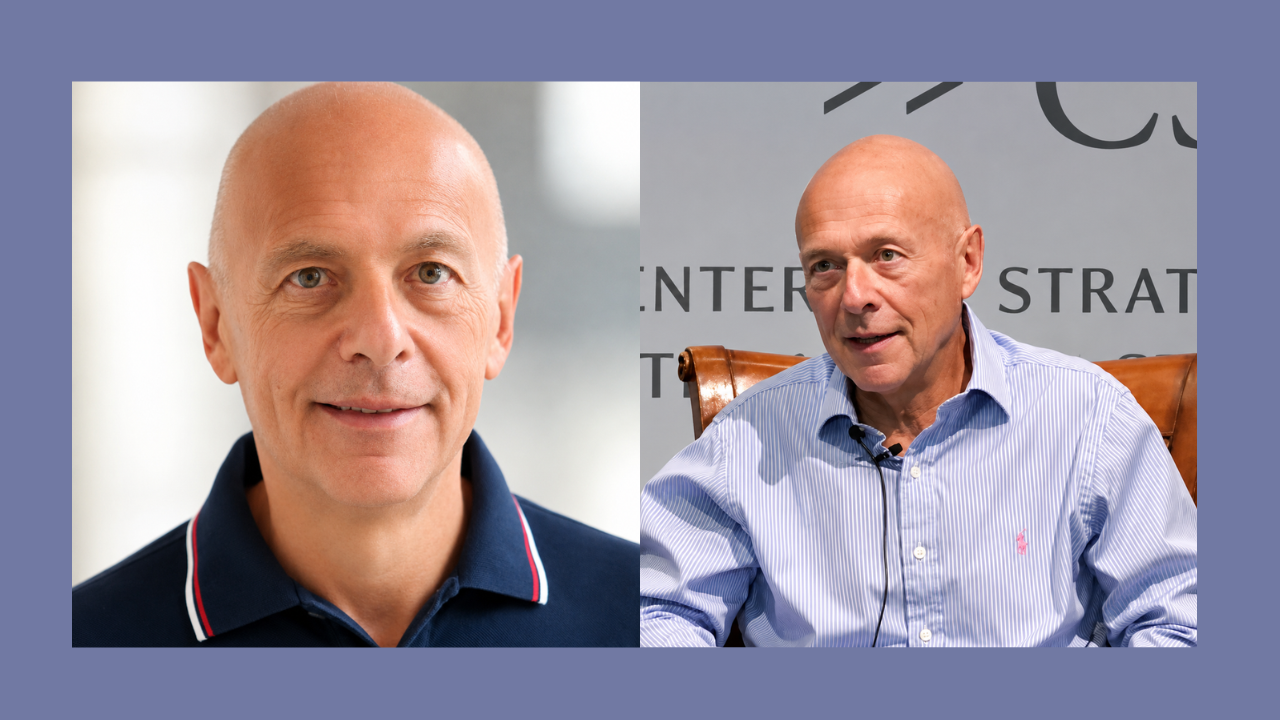
When discussing influential figures in post-Soviet Russia, few names stand out as prominently as Andrei Kozyrev. Best known for serving as Russia’s foreign minister during the turbulent years following the collapse of the Soviet Union, Kozyrev played a major role in shaping the country’s early foreign policy under President Boris Yeltsin. Interest in Andrei Kozyrev net worth has grown in recent years as many observers seek to understand how a prominent diplomat and political figure built his financial standing over a decades-long career. While exact figures are not publicly disclosed, his wealth is generally associated with his diplomatic service, business activities, public speaking engagements, and intellectual contributions after leaving government office.
Who Is Andrei Kozyrev?
Andrei Vladimirovich Kozyrev was born on March 27, 1951, in Brussels, Belgium, where his father was temporarily working on a Soviet assignment. Despite being born outside the Soviet Union, he was raised and educated in Moscow. He later attended the Moscow State Institute of International Relations, one of Russia’s leading institutions for training diplomats and foreign policy experts. After completing his studies, Kozyrev joined the Soviet Ministry of Foreign Affairs in 1974 and gradually advanced through the diplomatic ranks.
His rise coincided with a period of significant political change in the Soviet Union. During the late 1980s, he gained attention for advocating a more open and cooperative approach to international relations. These views aligned with the reformist atmosphere of the era and helped establish his reputation as a forward-thinking diplomat.
Andrei Kozyrev Rise to Prominence in Russian Politics
Kozyrev’s political influence expanded dramatically in 1990 when he was appointed foreign minister of the Russian Soviet Federative Socialist Republic. Following the dissolution of the Soviet Union in 1991, he retained his position and became the first foreign minister of the newly independent Russian Federation. At just 39 years old, he was among the youngest senior officials in the government and quickly became one of the most recognizable faces of Russian diplomacy.
Throughout the early 1990s, Kozyrev advocated closer cooperation between Russia and Western nations. He supported arms-control agreements, diplomatic engagement, and integration into international institutions. His policies reflected the broader reform agenda pursued by Boris Yeltsin’s administration during the transition from Soviet rule to a new political and economic system.
Although his approach earned praise in some international circles, it also attracted criticism from Russian nationalists who believed the country should adopt a more assertive foreign policy. These debates became a defining feature of Russian politics during the decade and contributed to growing opposition against Kozyrev’s diplomatic vision.
Andrei Kozyrev Net Worth
One of the most frequently searched topics about the former diplomat is Andrei Kozyrev net worth. Unlike business magnates or corporate executives, Kozyrev has never publicly disclosed his personal financial details. As a result, any estimates remain speculative and should be viewed with caution.
His financial standing is believed to stem from several professional activities accumulated over many years. During his government service, he earned income as a senior diplomat and cabinet-level official. After leaving office in 1996, he remained active in international affairs through consulting, policy analysis, public speaking, and writing. These activities likely contributed to his personal wealth over time.
Kozyrev has also been associated with business and advisory work after his political career. Public records identify him as both a politician and businessman, suggesting that his income sources extended beyond government employment. However, because there is no verified public accounting of his assets, claims regarding specific net-worth figures should be treated carefully.
Compared with wealthy Russian oligarchs whose fortunes are often measured in billions of dollars, Kozyrev’s financial profile appears to be based primarily on professional expertise and public service rather than ownership of major industrial assets. This distinction is important when evaluating discussions surrounding his wealth.
Andrei Kozyrev Career After Leaving Government
In January 1996, Kozyrev was succeeded by Yevgeny Primakov as foreign minister. His departure marked a significant shift in Russian foreign policy, as the government began emphasizing a more independent and security-focused international strategy.
Following his time in government, Kozyrev continued participating in policy discussions and international affairs. He became a respected commentator on Russian politics and global diplomacy. His expertise made him a sought-after speaker at universities, policy institutes, and international conferences.
In 2019, he published a memoir titled The Firebird, in which he reflected on the collapse of the Soviet Union, the democratic reforms of the 1990s, and the future of Russia. The book further strengthened his reputation as an important witness to a transformative period in modern history.
Sources of Income and Wealth
Understanding Andrei Kozyrev net worth requires examining the various sources of income that may have contributed to his financial position.
Diplomatic Service
Kozyrev spent more than two decades working in diplomacy before becoming foreign minister. His government career provided stable compensation and significant professional recognition. While diplomatic salaries alone rarely generate substantial wealth, senior government positions often open doors to future opportunities.
Consulting and Advisory Roles
Former government officials frequently leverage their expertise through advisory positions. Kozyrev’s extensive experience in international relations and foreign policy likely created opportunities to work with research institutions, think tanks, and private organizations seeking strategic insights.
Speaking Engagements
As a former foreign minister and respected commentator, Kozyrev has participated in public discussions, academic conferences, and policy forums. Speaking engagements can provide meaningful income while allowing experienced leaders to share their perspectives on global affairs.
Writing and Publications
His memoir and various articles on international relations have also contributed to his professional profile. Published works may not generate massive earnings, but they enhance visibility and create additional opportunities for consulting and public appearances.
Influence on Modern Russian Diplomacy
Kozyrev’s legacy extends far beyond discussions of wealth. Many historians and political analysts view him as one of the architects of Russia’s post-Soviet foreign policy. His vision emphasized cooperation with Western democracies, economic integration, and international partnership.
Supporters argue that his policies reflected the realities of a newly independent Russia seeking stability after decades of Cold War tensions. Critics, however, contend that his approach gave insufficient attention to Russia’s strategic interests and national security concerns. These differing interpretations continue to shape debates about Russian foreign policy today.
Regardless of where observers stand politically, there is little doubt that Kozyrev influenced the direction of Russian diplomacy during a pivotal historical period. His tenure remains one of the most studied chapters in the country’s modern diplomatic history.
Public Commentary in Recent Years
In recent years, Kozyrev has remained active in public discourse, particularly regarding Russia’s relationship with the West and developments in Eastern Europe. He has frequently offered commentary on contemporary geopolitical issues and has become known internationally for his critiques of current Russian foreign policy.
His willingness to engage in public debates has helped keep his name relevant long after leaving government office. As a result, interest in his career, political views, and financial standing continues among journalists, researchers, and readers worldwide.
Conclusion
Andrei Kozyrev’s career represents an important chapter in Russia’s transition from the Soviet era to the modern international system. From his early days as a diplomat to his service as Russia’s first foreign minister after the Soviet collapse, he played a central role in shaping the country’s foreign policy during a period of extraordinary change.
Although precise information about Andrei Kozyrev net worth is not publicly available, his wealth appears to have been built through decades of diplomatic service, consulting work, speaking engagements, writing, and business-related activities. More importantly, his enduring influence on international relations and Russian political history remains the foundation of his legacy. Today, he is remembered not only for his financial success but also for his contributions to diplomacy, democratic reform, and global political dialogue.
