
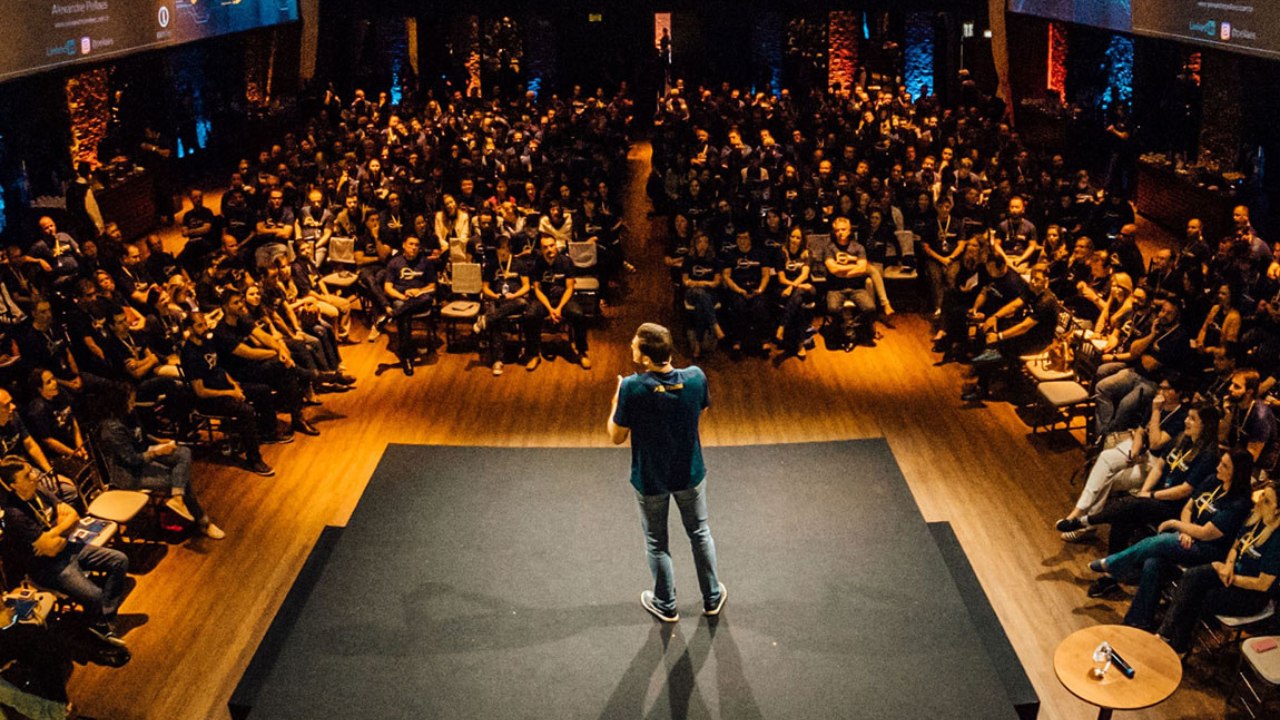
Small business events often need 2 to 4 months of planning, while large conferences and exhibitions can take 6 to 12 months to organise. Finding the right venue, booking speakers, coordinating suppliers, managing registrations, and promoting the event all take time and careful planning.
Staying organised makes it easier to keep all steps of event planning on schedule and factor in time to deal with any last-minute changes – which can often be a struggle!
In this article, you’ll learn what makes a successful corporate event, explore the different types of business events, and learn 7 practical planning tips to keep in mind when planning your next event.
What Business Events Does a Successful Corporate Event Look Like?
A successful corporate event is usually well planned and well organised. Guests should have a smooth experience from arrival to the end of the event, while the organiser achieves the goals they set from the beginning
.
Here’s what a successful corporate event usually looks like:
- A fast and organised registration process
- Sessions and presentations that start on time
- Clear signage and directions throughout the venue
- Staff who are easy to identify and available to assist attendees
- A schedule that keeps the event running smoothly
- Opportunities to generate leads or build business relationships
- Valuable presentations, workshops, or networking sessions
- Positive feedback and a good overall experience for attendees
What Are the Different Types of Business Events?
Business events come in many forms, each serving a different purpose. Understanding the options available helps businesses choose an event format that supports their goals and meets the expectations of their audience.
Here are some of the most common types of corporate events:
Conferences
Conferences are large-scale events that bring together professionals, industry experts, and business leaders to discuss current topics and share knowledge.
They often run for one or more days and include keynote presentations, panel discussions, breakout sessions, and networking opportunities. Businesses use conferences to build industry connections, showcase expertise, and encourage professional development.
Business Events Seminars and Workshops
Seminars and workshops are educational events designed to teach a specific topic or skill. Seminars usually involve presentations from one or more speakers, while workshops encourage hands-on participation and group activities. Companies often organise these events for employee training, client education, or continuing professional development.
Product Launches
Product launch events introduce a new product or service to customers, business partners, media representatives, and industry professionals.
Live demonstrations, presentations, and question-and-answer sessions allow attendees to see the product in action and learn about its features.
The main objective is to generate interest and create early momentum ahead of a wider release.
Business Events Networking Events
Networking events create opportunities for professionals to meet, exchange ideas, and build business relationships.
They may take the form of breakfast meetings, evening receptions, or industry gatherings hosted by trade associations and local business groups. Partnerships, collaborations, and client relationships begin through informal conversations at networking events.
Business Events Trade Shows and Exhibitions
Trade shows provide businesses with a shared venue to present their products and services to potential customers and industry professionals. Exhibitors use branded stands, product demonstrations, and promotional materials to engage potential customers and industry buyers.
These events allow companies to generate leads, meet existing clients, monitor competitors, and stay informed about new developments within their sector.
Business Events Company Meetings and Annual Gatherings
Internal business events, such as annual meetings, leadership conferences, strategy sessions, and employee town halls, help organisations share updates and align teams around common goals. They also provide opportunities to celebrate milestones, discuss plans, and strengthen communication across departments.
Awards Ceremonies
Awards ceremonies recognise outstanding achievements by employees, partners, or organisations within a particular industry.
These events often combine formal presentations with networking and entertainment, creating a positive atmosphere while celebrating success. Most businesses also use awards events to strengthen company culture and acknowledge individual or team contributions.
7 Best Tips for Corporate Event Planning
Successful business events rely on preparation, communication, and attention to detail. Putting the right processes in place before the event begins can help avoid unnecessary problems and create a better experience for everyone involved.
Here are 7 practical corporate event planning tips to help your next event run smoothly:
1) Start Planning Early
Large conferences and exhibitions are often planned six to twelve months in advance, while smaller business events may still require several months of preparation.
Starting early gives organisers more venue choices, better negotiating power with suppliers, and enough time to promote the event properly. It also creates room to deal with unexpected issues without changing the entire schedule.
A detailed planning timeline should include booking deadlines, supplier payments, marketing activities, speaker confirmations, registration milestones, and final venue inspections.
2) Define Your Objectives
Setting measurable objectives before planning begins makes it easier to evaluate results afterwards. Common goals include increasing attendance, generating sales leads, improving employee engagement, attracting sponsors, or building brand awareness.
Key performance indicators such as registration numbers, attendance rates, survey responses, social media engagement, and post-event enquiries provide useful insights for future planning.
3) Pick the Right Venue
Location, accessibility, parking, public transport, room capacity, internet reliability, and available technology all influence the attendee experience. Before signing the contract, tour the venue and evaluate the complete guest experience, from the entrance and registration area to meeting rooms and refreshment spaces.
Small details, such as the location of toilets or cloakrooms, can have a surprising impact on how smoothly the event runs. Always confirm what is included in the venue package, including furniture, audiovisual equipment, Wi-Fi, security, and technical support.
4) Simplify Registration
Delays at check-in can create queues that affect the day’s schedule and leave attendees frustrated before the first session begins.
Most organisers combine online pre-registration with branded ID and event lanyards to speed up check-in and make it easier to identify delegates, speakers, exhibitors, and event staff throughout the venue.
Having separate registration desks for VIP guests, speakers, exhibitors, and general attendees is also a great way to reduce waiting times during busy arrival periods.
5) Create an Event Schedule
Every event should have a master schedule. Arrival windows, registration periods, catering deliveries, room changes, equipment setup, speaker rehearsals, photography sessions, and networking breaks should all be planned.
Sharing individual schedules with suppliers and staff helps everyone understand their responsibilities and reduces confusion behind the scenes. Experienced event managers also build short buffer periods into the programme to allow for minor delays without affecting the rest of the day.
6) Keep Everyone Informed
Attendees should never have to guess where they need to be or what happens next. Confirmation emails, reminder messages, venue maps, parking information, dress codes, and session schedules should all be shared before the event. On the day itself, clear signage, digital displays, mobile event apps, and well-informed staff help guests move around the venue with confidence.
7) Prepare for the Unexpected
Even carefully planned events can face technical faults, transport delays, supplier issues, or last-minute speaker cancellations. Preparing backup plans allows organisers to respond quickly without affecting the attendee experience.
Keep spare presentation equipment, printed copies of important documents, emergency contact lists, and alternative suppliers available where possible. Briefing staff on contingency procedures before the event begins helps everyone respond calmly if plans need to change.
Improve Your Corporate Events With Better Planning
Successful business events start with good planning. Clear goals, a realistic schedule, regular communication, and a smooth check-in process help keep everything organised and make the experience better for guests, speakers, and event staff. Every part of the event, from registrations to presentations, should be planned well.
Unexpected changes can still happen, so it’s always a good idea to have backup plans. Confirming suppliers, sharing updates with attendees, and checking the venue before the event can help avoid common problems. Paying attention to these details can create a successful event that leaves a positive impression and encourages people to attend future events.
Visit More : magazineness.co.uk
