
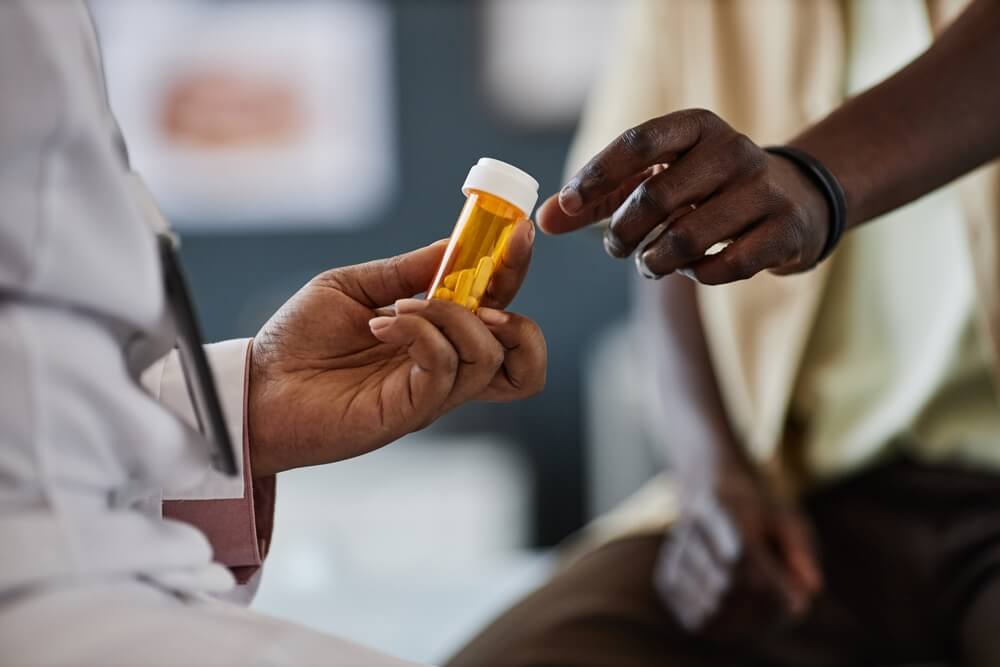
Medication-based interventions help fewer than 1 in 5 people with opioid use disorder, despite their proven effectiveness. The numbers paint a concerning picture – about 4.3 million Americans reported nonmedical use of prescription opioids in 2014.
Opioid use disorder, as with diabetes or heart disease, is a chronic condition without a cure. FDA-approved medications like methadone, buprenorphine, and naltrexone help people reduce or stop opioid use. These medications also lower the risk of overdose deaths by a lot. Medication-Assisted Treatment (MAT) combines these medications with counseling and behavioral therapies. This detailed treatment approach recognizes that addiction needs both medical and psychological support to work effectively.
This piece explains everything about opioid treatment options, their mechanisms, and what to expect during the recovery experience. You’ll find clear information to help you and your loved ones make informed decisions about treatment paths.
Should Know Understanding Opioid Use Disorder and Treatment Options
Opioid use disorder (OUD) creates a destructive pattern of opioid use that causes distress and impairment. This chronic brain disease affects over 16 million people worldwide and more than 2.1 million in the United States. The disease changes brain function and creates powerful cravings that drive continued use despite harmful consequences.
OUD resembles diabetes or heart disease – it has no cure but responds well to management. Treatment relies on three FDA-approved medications: methadone, buprenorphine, and naltrexone. Each medication serves a unique purpose. Methadone and buprenorphine act as opioid agonists that reduce withdrawal and cravings. Naltrexone works by blocking opioid effects.
Research shows that medication for opioid use disorder (MOUD) saves lives. It helps patients stay in treatment longer and increases their chances of recovery. These treatments also lower the risk of HIV and hepatitis C transmission.
Patients can receive care in different settings based on their needs. Options range from outpatient services (ASAM Level 1) to intensive residential programs (ASAM Levels 3 and 4). Simple detoxification without follow-up medication treatment often results in relapse.
Many people mistakenly believe these medications swap one addiction for another. The truth shows otherwise. These treatments restore balance to addiction-affected brain circuits, helping patients rebuild their lives with family, work, and community.
Should Know Medication for Opioid Use Disorder
FDA has approved three medications to treat opioid use disorder (MOUD): buprenorphine, methadone, and naltrexone. These medications work in different ways to help people with addiction.
Buprenorphine acts as a partial opioid agonist that activates opioid receptors partially. It reduces cravings and withdrawal symptoms without creating full euphoria. The medication’s “ceiling effect” makes overdose risk lower. Patients can take buprenorphine as sublingual tablets, films, or monthly injections. Doctors can prescribe it in their offices, making it accessible to more people.
Methadone works as a full opioid agonist that stops withdrawal symptoms and blocks other opioids’ effects. Research proves that methadone cuts all-cause mortality by more than 50% and keeps patients in treatment better. The medication must be given at special opioid treatment centers under federal rules.
Naltrexone blocks opioid effects completely as an opioid antagonist. Patients can take it as oral tablets or monthly injections. They need to detox fully from opioids before starting naltrexone to avoid sudden withdrawal.
Research comparing these medications shows that methadone and buprenorphine cut overdose risk and opioid-related acute care by 76% at 3 months and 59% at 12 months. These medications work best as first-line treatments. Only 20% of eligible patients get these life-saving medications, even though they work well.
When that standard of care breaks down, the consequences can be serious. In clinical settings, opioid-related harm is not always limited to addiction itself. Prescribing errors, unsafe combinations with other sedatives, missed overdose warning signs, or inadequate monitoring after a known history of misuse can also raise legal questions. In those situations, patients and families may need to understand whether the facts point to a preventable medical failure, and ConsumerShield helps people navigate when negligent opioid prescribing or monitoring may amount to medical malpractice while also connecting them with an attorney suited to their case.
Should Know Counseling, Behavioral Therapy, and Support Systems
Opioid treatment goes beyond medication with counseling, therapy, and support systems that tackle addiction’s psychological aspects. Studies show that family participation in treatment helps reduce harm and improves outcomes if you have opioid use disorder.
CBT proves exceptional at the time it’s combined with medication-assisted treatment. Patients learn to spot triggers, create coping strategies, and reconnect with their values during CBT sessions. This method helps them handle recovery emotions and create better daily routines.
Support groups are a great way to get benefits through shared experiences and encouragement. Research shows that 82% of families in support groups felt much stronger at the time they dealt with addiction. Available options include:
- Narcotics Anonymous – Worldwide 12-step support group for individuals and families
- SMART Recovery – Science-based alternative focusing on self-management
- Families Anonymous – Support specifically for family members affected by addiction
Family therapy proves equally beneficial and helps fix communication problems while creating a healthier home environment. The 988 Suicide and Crisis Lifeline provides round-the-clock confidential help for immediate crisis support.
Treatment programs work best by merging individual and group approaches, as addiction impacts both the person and their family’s entire system.
Conclusion
Opioid use disorder remains one of the most important health challenges today, but effective treatment options give real hope for recovery. This piece shows how medication-assisted treatment that combines FDA-approved medications with behavioral therapy provides a detailed approach to manage this chronic condition. Buprenorphine, methadone, and naltrexone are the three primary medications that work differently yet effectively. They reduce cravings, prevent withdrawal symptoms, and block opioid effects.
These life-saving treatments could help many more people, yet they reach less than 20% of those who need them. This gap shows we need better awareness and access to treatment options. Medication alone isn’t enough to succeed. Support groups, counseling, and a family’s involvement play significant roles in green recovery.
Recovery from opioid use disorder is without doubt challenging but definitely achievable. The experience needs patience, support, and multiple approaches that work together. Families should know that addiction affects their whole system, making their involvement especially valuable when they have to go through recovery.
Managing opioid use disorder is similar to handling diabetes or heart disease – it needs ongoing care rather than quick solutions. This knowledge helps patients and their families make better decisions about treatment options. People struggling with opioid addiction should remember they aren’t alone. With the right support and resources, recovery is within reach.
Visit More : magazineness.co.uk
