
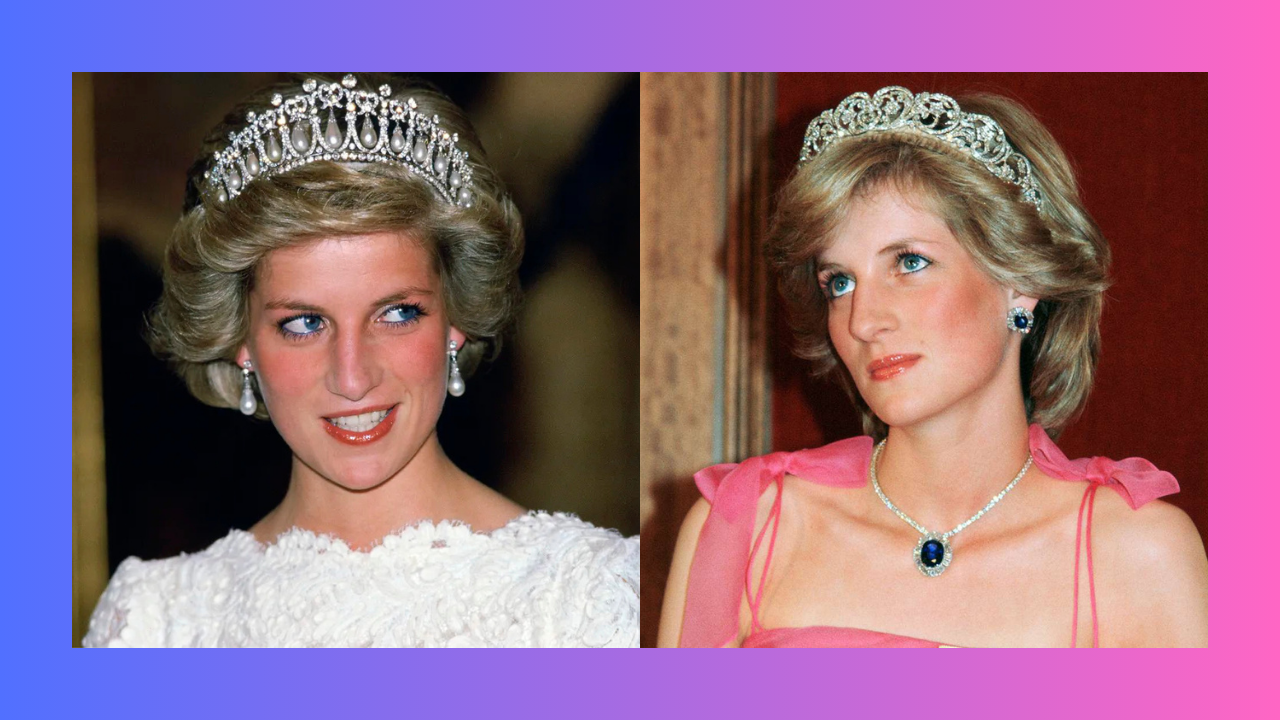
Princess Diana remains one of the most iconic figures in modern history, admired around the world for her compassion, humanity, and grace. While much has been written about her life as a royal and her work on the global stage, equally compelling is the story of her origins: the family into which she was born, the people who influenced her earliest years, and the brother who shared so many formative experiences with her. Exploring Princess diana’s Princess diana’s parents Princess diana’s brother offers a window into how her upbringing shaped her character, values, and legacy.
The Aristocratic Roots: Princess Diana’s Parents and Family Heritage
Diana Frances Spencer was born on July 1, 1961, at Park House on the Sandringham Estate in Norfolk, England, into one of the most established aristocratic families in Britain. Her father, Edward John Spencer—at the time Viscount Althorp—would later become the 8th Earl Spencer, inheriting an ancient lineage tied to the English nobility for centuries. Her mother, Frances Ruth Burke Roche, was likewise of noble pedigree: the daughter of Maurice Roche, 4th Baron Fermoy, and Ruth Roche, Baroness Fermoy, a lady-in-waiting to Queen Elizabeth The Queen Mother. This interweaving of aristocratic ties meant that Diana grew up surrounded by history, privilege, and a long tradition of social standing.
From the moment of her birth, Diana’s place within the British elite was clear. As the youngest daughter in her family, she was given the courtesy title “The Honourable Diana Spencer” until 1975, when her father succeeded to the Earldom and she became Lady Diana Frances Spencer. Yet behind the noble titles lay a domestic life that was far from idyllic. Diana’s parents’ marriage was strained, with expectations and societal pressures weighing heavily upon them. Their union, celebrated with prestige at Westminster Abbey in 1954, began to show signs of collapse by the late 1960s.
The pressures in part stemmed from expectations about producing a male heir after the births of daughters and the tragic death of a son in infancy. The strain contributed to the eventual dissolution of the marriage. Diana was only seven years old when her parents separated, and the family’s divorce was finalized in 1969, a painful rupture that left a lasting impression on her early life. Following their divorce, custody was awarded to her father, and Diana continued to live primarily with him, though both parents remarried later in life.
Princess Diana’s Parentage and Its Emotional Impact
It is often said that a person’s character is shaped by the trials and relationships of their youth, and for Princess Diana, her relationship with her parents was complex and deeply formative. Her father was known as a steady and somewhat reserved figure who provided stability after the breakup of the marriage. Diana’s mother later married Peter Shand Kydd, a union that had its own challenges. Diana herself described her childhood as unhappy and unstable, comments that have resonated through many biographies and retrospective analyses of her life.
Despite the emotional turbulence, Diana grew up with exposure to both the responsibilities and expectations that came with her noble heritage. Her education began with private instruction before she attended Riddlesworth Hall School in Norfolk and later West Heath School in Kent. Those years provided her with a grounding in social etiquette and gave glimpses into her emerging personality: shy yet observant, gentle yet capable of forming deep emotional bonds with others. It was during this time that she developed the empathy and caring nature that would later define her public image.
As Diana grew older, her parents’ influence remained evident in her behavior. Her desire to help others, her search for emotional connection, and her nuanced understanding of duty and service can all be traced back to her early experiences. While her formal upbringing prepared her for public responsibilities, her emotional experiences at home likely shaped her deep compassion and ability to connect with people from every background.
Sibling Bonds: Princess Diana and Her Brother Charles Spencer
Amid the turmoil of divorce and shifting family dynamics, Diana found companionship and understanding in her siblings, particularly her younger brother, Charles Spencer. Born in 1964, Charles was three years younger than Diana and shared much of her childhood experience. Alongside their two older sisters, Lady Sarah McCorquodale and Lady Jane Fellowes, the siblings navigated both privilege and personal upheaval together.
Their early years included summers at Park House and later life at Althorp in Northamptonshire, the Spencer family’s ancestral estate for over five centuries. Photographs and family accounts reflect moments of warmth and shared joy, revealing that even within a complicated home environment, strong sibling bonds endured. These relationships offered Diana emotional grounding during difficult periods.
Charles Spencer inherited the title of 9th Earl Spencer after their father’s death in 1992. His connection to Diana remained strong throughout her life. Following her tragic death in 1997, Charles delivered a deeply moving tribute at her funeral, honoring her humanity and pledging to protect her legacy. His words resonated around the world and highlighted the depth of their sibling bond.
Charles Spencer’s Role in Preserving the Spencer Legacy
Beyond being Princess Diana’s brother, Charles Spencer has played an important role in maintaining the history and heritage of the Spencer family. As custodian of Althorp House, he oversees the estate that has been home to generations of Spencers. The estate also serves as Diana’s final resting place, making it a site of reflection and remembrance.
Charles has occasionally shared personal memories and childhood images, offering the public rare glimpses into Diana’s early life. Through his stewardship of the family estate and his willingness to speak about his sister’s character, he continues to contribute to preserving her memory. His life reflects both personal independence and a deep sense of familial responsibility.
The Spencer lineage stretches back centuries, with a history intertwined with British nobility and national history. Charles’ role as Earl ensures that this legacy continues, while also keeping alive the story of his sister’s remarkable journey.
How Family Shaped Princess Diana’s Character
Understanding Princess diana’s Princess diana’s parents Princess diana’s brother provides valuable insight into the making of one of the most beloved figures of the twentieth century. Diana’s upbringing combined aristocratic tradition with emotional challenges, creating a blend of strength and sensitivity. The divorce of her parents exposed her to vulnerability at an early age, while her noble background instilled a sense of duty and awareness of public life.
Her brother’s companionship offered solidarity during uncertain times, reinforcing the importance of family bonds even when circumstances were difficult. These early influences helped shape Diana’s resilience, empathy, and commitment to meaningful causes later in life.
Though she eventually stepped onto the world stage, Diana’s core identity was deeply rooted in her family story. The lessons learned in childhood—about love, loss, expectation, and perseverance—remained with her throughout her life.
Conclusion: A Legacy Rooted in Family
Princess Diana’s story cannot be fully understood without examining the foundation laid by her parents and the enduring connection with her brother. The aristocratic heritage of the Spencer family provided structure and tradition, while the emotional complexities of her childhood fostered compassion and depth.
Her father and mother shaped the early chapters of her life in profound ways, and her brother Charles Spencer has remained a guardian of both family history and Diana’s memory. Together, the narrative of Princess diana’s Princess diana’s parents Princess diana’s brother reveals a portrait not only of nobility, but of humanity.
Behind the global admiration and historic moments stood a daughter and a sister whose life was influenced deeply by family. That family background remains an essential part of understanding her enduring legacy today.
